How to Choose the Right ATV Dubai Desert Ride for Your Skill Level
Choosing an ATV Dubai desert ride is less about picking the biggest machine and more about matching the ride to your experience, comfort and expectations. Desert terrain looks open and simple from a distance, but sand changes under the wheels, light shifts quickly and long stretches can feel more demanding than they first appear. A good choice makes the day feel controlled and enjoyable from the start.
The first step is to be honest about your riding experience. If you have never handled an ATV, look for an option that includes clear instruction, a calm starting area and a pace that allows you to get used to steering, braking and weight shift. Previous motorbike experience helps, but it does not remove the need to learn how a quad bike behaves on sand. Riders who have used ATVs before can look for terrain with more variation, while experienced riders may want longer routes with firmer tracks, dunes and open stretches.
Think about who is riding as well as where you are riding. A solo rider can focus fully on control and navigation. A pair or group needs a pace that works for the least confident person, plus enough space to ride without crowding. Mixed experience groups often benefit from shorter sessions with clear pauses, since everyone can reset before the terrain gets harder. When comparing options connected with atvdubaidesert.com, treat the fit between rider and route as the main point, not the appearance of the vehicle alone.
Match the vehicle to the rider
The next step is to understand the broad vehicle types. Utility ATVs usually feel steadier and more practical, with a riding position that suits longer, slower travel. Sportier quads can feel lighter and more responsive, but they may demand sharper control and better judgement. For a first desert ride, predictable handling matters more than speed. A machine that responds smoothly gives a new rider room to correct small mistakes before they become larger ones.
Size and seating position matter too. A rider should be able to sit upright, place both feet securely and reach the controls without stretching. If the ATV feels too large, it can be hard to manage on uneven sand. If it feels too small, the ride may become cramped and tiring. Height, build and confidence all play a part. Where a brand such as ATV Dubai Desert is being considered as one example among others, the sensible approach is to ask practical questions about fit before committing.
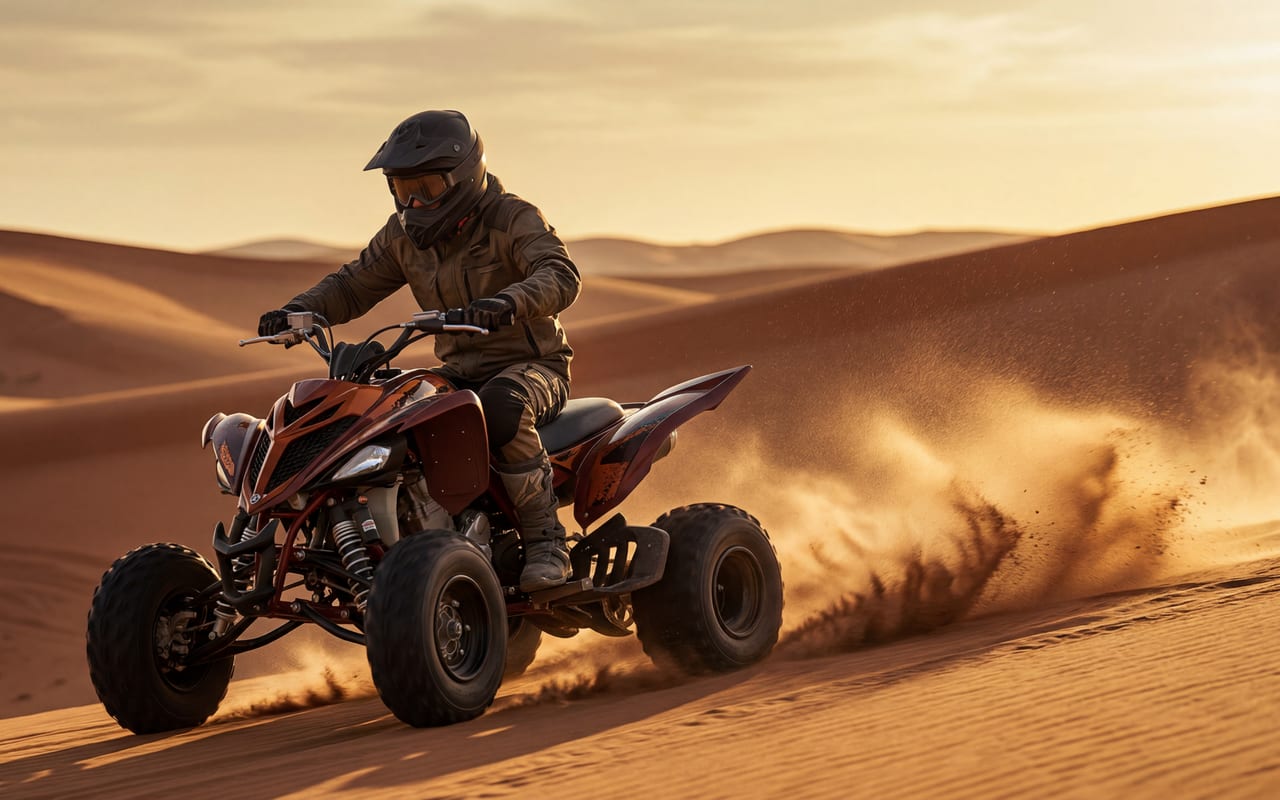
Automatic transmission is often easier for newcomers because it removes the need to coordinate gears while learning steering and balance. More experienced riders may prefer more control, but even then, desert conditions reward smooth inputs over aggressive riding. Look for a vehicle that is appropriate for the terrain rather than one that simply looks powerful. Power can help in soft sand, yet control and rider judgement matter just as much.
Check the route and terrain
Once the rider and vehicle are matched, look closely at the route. Desert rides can include flat compacted sand, soft dunes, rocky patches, narrow tracks and open areas with changing surfaces. Each calls for a different level of attention. Flat ground is useful for building confidence. Soft sand asks for steadier throttle control and wider turns. Dunes can be exciting, but they also need careful line choice and an understanding of how the ATV reacts when the surface drops away.
Ask whether the route is guided and how the group is managed. A guided ride can help riders stay on suitable ground, especially when landmarks are hard to read. It also reduces the chance of someone wandering into difficult terrain. For a first ride, a route with clear turns, regular stops and an easy return is usually a better choice than a remote trail with few reference points.
Time of day also changes the experience. Earlier or later rides often have softer light and more comfortable temperatures, while midday heat can make concentration harder. Sand can be firmer in some conditions and looser in others, so the same route may feel different from one day to the next. This is why flexibility matters. A good choice leaves room for the route to be adjusted rather than pushing ahead when conditions are not suitable.
Review safety before comfort or extras
Safety should shape the decision at every stage. Before choosing a ride, check whether helmets and other basic protective gear are provided and whether they fit properly. A helmet that moves around or a glove that slips is not useful. Closed shoes, long trousers and clothing that covers exposed skin help protect against sand, sun and brush. Eye protection is also useful when wind lifts fine dust.
Ask how riders are briefed before departure. A useful briefing explains throttle control, braking, turning, signals, what to do if the group separates and how to react when the ATV feels unstable. It should also make expectations clear about speed and spacing. If the answer is vague, treat that as a warning sign. The right ride should feel organised without feeling rushed.
Do not try to fix mechanical or control problems during the ride. Warning signs such as unusual noises, poor braking response, steering that pulls strangely or an engine that cuts out repeatedly should be reported at once. Those issues need inspection by a qualified professional, not trial and error in the desert. A responsible choice is one where riders can stop, ask for help and have concerns taken seriously.
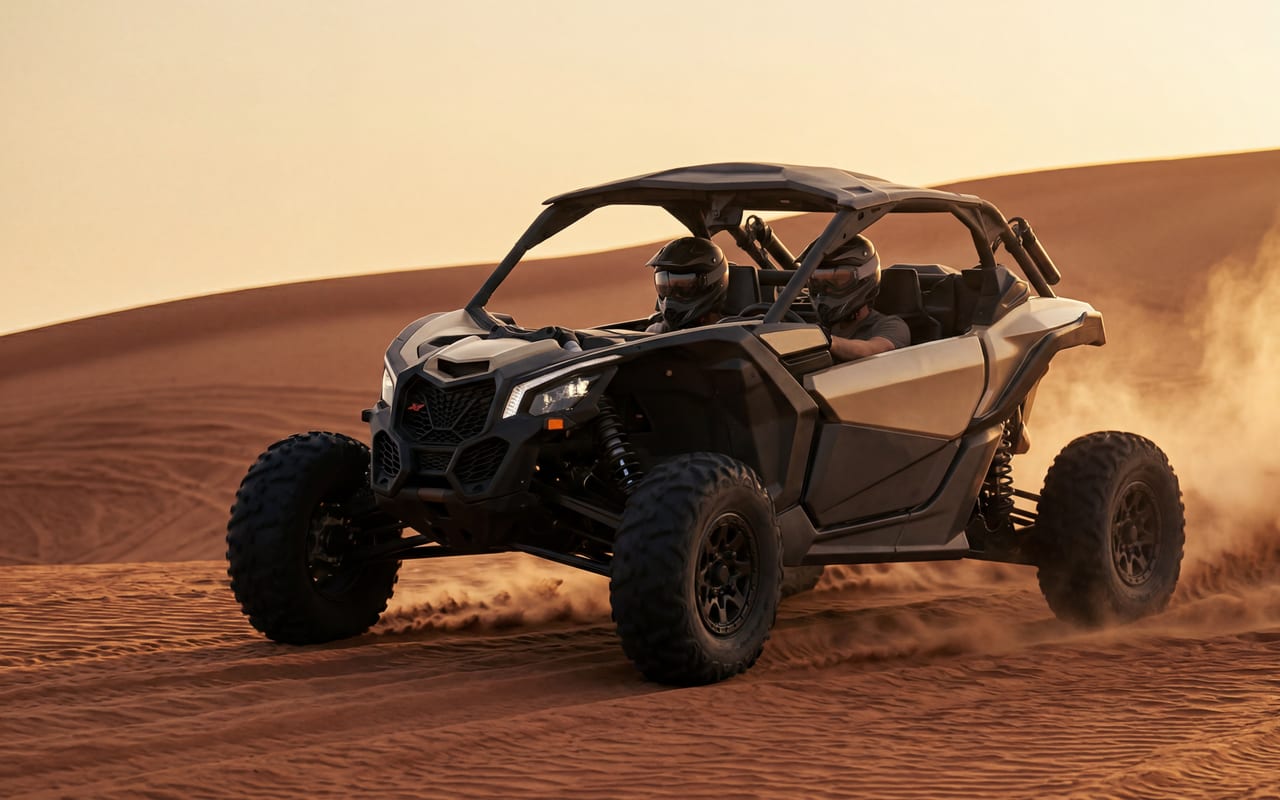
Compare duration, pace and group size
Duration affects both enjoyment and fatigue. A short session can be enough for a first taste, especially in warm conditions. Longer rides suit people who are comfortable sitting, steering and staying alert for a more extended period. Sand riding uses more concentration than many riders expect. Hands, shoulders and legs can tire, particularly when the surface is soft or the route includes frequent turns.
Pace matters as much as length. A ride that is too fast for the group can turn tense, while one that is too slow may feel dull for confident riders. Ask whether the pace is adapted to the group and whether stops are built in. Clear spacing between vehicles also helps everyone see the ground ahead and react calmly. Groups that are too large can feel crowded, especially near turns or photo stops.
When comparing ATV Dubai Desert with other options, focus on how well the ride structure fits your group. A family with cautious riders may value short stops and simple routes. A group of confident riders may prefer a longer format with more varied terrain. The best choice is rarely the one with the most dramatic description. It is the one where the pace, duration and route suit the people actually riding.
Read the conditions and confirm the details
Before booking, confirm what is included and what riders need to bring. Check the meeting point, the length of the session, the level of instruction and the basic safety equipment. Any details that are unclear should be clarified before the day, not on arrival. This is also the point to mention medical concerns, mobility limits or nervousness about riding. A ride that is adjusted early is usually safer and more enjoyable than one that is changed mid-session.
Weather deserves attention as well. Heat, wind and reduced visibility can change how the desert feels. If conditions look harsh, a shorter or more sheltered option may be wiser. Riders should drink water before and after the ride and take breaks when needed. Sun protection is practical, not optional, and loose clothing or accessories that could catch on controls should be avoided.
Also consider the time needed around the ride. Desert activities often involve travel, preparation, briefing and changing time, so the full experience may take longer than the riding session itself. Planning extra time reduces pressure and helps riders arrive calm. A rushed arrival can lead to poor decisions, especially when people are eager to begin.
Make the final choice with clear criteria
By this stage, the choice should come down to a few practical points. The vehicle should fit the rider, the route should match the skill level, the pace should suit the group and the safety setup should be clear. If one of these points feels wrong, it is better to ask questions or choose another option. Confidence built on clear information is much better than confidence based on assumptions.
A useful final check is to picture the whole ride from arrival to return. Is there a calm place to get ready? Are instructions given before departure? Can riders stop if they feel unsure? Does the route offer terrain that matches the group rather than stretching beyond it? These questions make the decision more grounded and help avoid disappointment.
Picking the right ATV Dubai desert experience is a matter of judgement, not guesswork. Start with the rider, then the machine, then the terrain and finally the practical details. When those pieces line up, the ride feels far more relaxed. The desert is a place where attention and preparation matter, and the right choice gives riders the space to enjoy the landscape while staying in control.